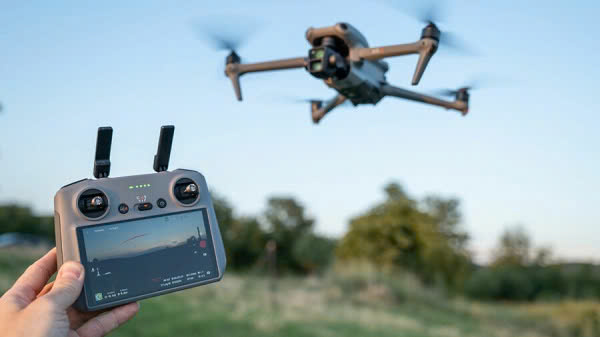
This article explores more than nine essential flycam control techniques that help photographers capture impressive aerial images. From smooth camera movement to advanced flight control methods, these techniques are designed to improve composition, stability, and creative storytelling in aerial photography.
Related products
Aerial photography is no longer just about flying high and pressing the shutter. To create visually compelling and professional-looking aerial images, pilots must understand how to control the flycam with intention. Camera movement, flight speed, angle, and timing all play a crucial role in shaping the final result.
This article introduces nine essential flycam control techniques that can significantly elevate the quality of your aerial photography, whether you are a beginner or an experienced drone pilot.
One of the most fundamental flycam control techniques is maintaining steady forward motion. Sudden acceleration or abrupt stops can disrupt composition and create unwanted motion blur.
By flying forward at a constant speed, photographers can:
Maintain balanced framing
Capture clean leading lines
Enhance depth and perspective
Smooth forward flight is especially effective for landscapes, coastlines, and wide-open scenes.
Yaw control allows the drone to rotate horizontally while maintaining its position or forward movement. When used correctly, yaw can add subtle motion that enhances visual storytelling.
Slow, controlled yaw movements help:
Reveal the environment gradually
Guide the viewer’s attention
Add cinematic flow to still compositions
Avoid fast rotations, as they often distract from the subject.
Changing altitude is more than just flying higher or lower. Vertical movement should support the composition and subject emphasis.
Effective altitude control allows photographers to:
Emphasize scale and proportion
Isolate subjects from their surroundings
Create layered compositions
Small altitude adjustments often produce more impactful results than dramatic vertical changes.
Camera tilt significantly affects how a scene is perceived. A straight-down angle highlights patterns and geometry, while a forward-tilted angle emphasizes depth and horizon lines.
Understanding camera tilt helps photographers:
Control visual balance
Highlight textures and symmetry
Create stronger compositional contrast
Experimenting with slight tilt changes can dramatically improve image quality.
One advanced technique involves combining forward flight and slow yaw rotation simultaneously. This creates a subtle parallax effect that adds dimension to aerial images.
This technique is particularly effective for:
Architectural photography
Natural landmarks
Scenic travel shots
The key is keeping both movements slow and controlled.
Sideways flight allows photographers to capture unique perspectives that are not possible with forward movement alone. This technique works well for revealing landscapes and structures from a fresh angle.
Lateral motion can:
Enhance depth perception
Add cinematic motion to still scenes
Highlight relationships between foreground and background elements
Consistency in speed is essential for clean results.
Before capturing any photo, stabilizing the drone in a steady hover is critical. Even slight drift can reduce sharpness and alignment.
A stable hover helps ensure:
Sharper images
Precise framing
Better exposure control
This technique is especially important when shooting in low light or windy conditions.
Automatic flight modes are helpful, but manual control provides greater creative freedom. Adjusting flight speed, braking sensitivity, and camera movement manually allows for more refined control.
Manual settings help photographers:
Match movement speed to composition
Avoid sudden stops
Maintain consistent framing
This level of control is essential for professional aerial photography.
Pre-visualizing the flight path before launching the drone reduces unnecessary movement and improves shot accuracy.
Planning ahead allows photographers to:
Identify the best angles
Avoid repeated repositioning
Capture stronger compositions efficiently
This technique saves battery life and improves overall workflow.
Beyond individual techniques, consistent practice is what ultimately improves flycam control. Repeating the same movements under different conditions helps develop muscle memory and situational awareness.
With time, these techniques become instinctive, allowing photographers to focus more on creativity than on control.
Impressive aerial photography is the result of intentional flycam control, not advanced equipment alone. By mastering these nine flycam control techniques, photographers can significantly improve composition, stability, and storytelling in their aerial images.
Whether capturing landscapes, architecture, or travel scenes, controlled movement and thoughtful flight planning are the foundations of professional aerial photography.
RELATED NEWS

9+ FLYCAM CONTROL TECHNIQUES FOR IMPRESSIVE AERIAL PHOTOGRAPHY
This article explores more than nine essential flycam control techniques that help photographers capture impressive aerial images. From smooth camera movement to advanced flight control methods, these techniques are designed to improve composition, stability, and creative storytelling in aerial photography.
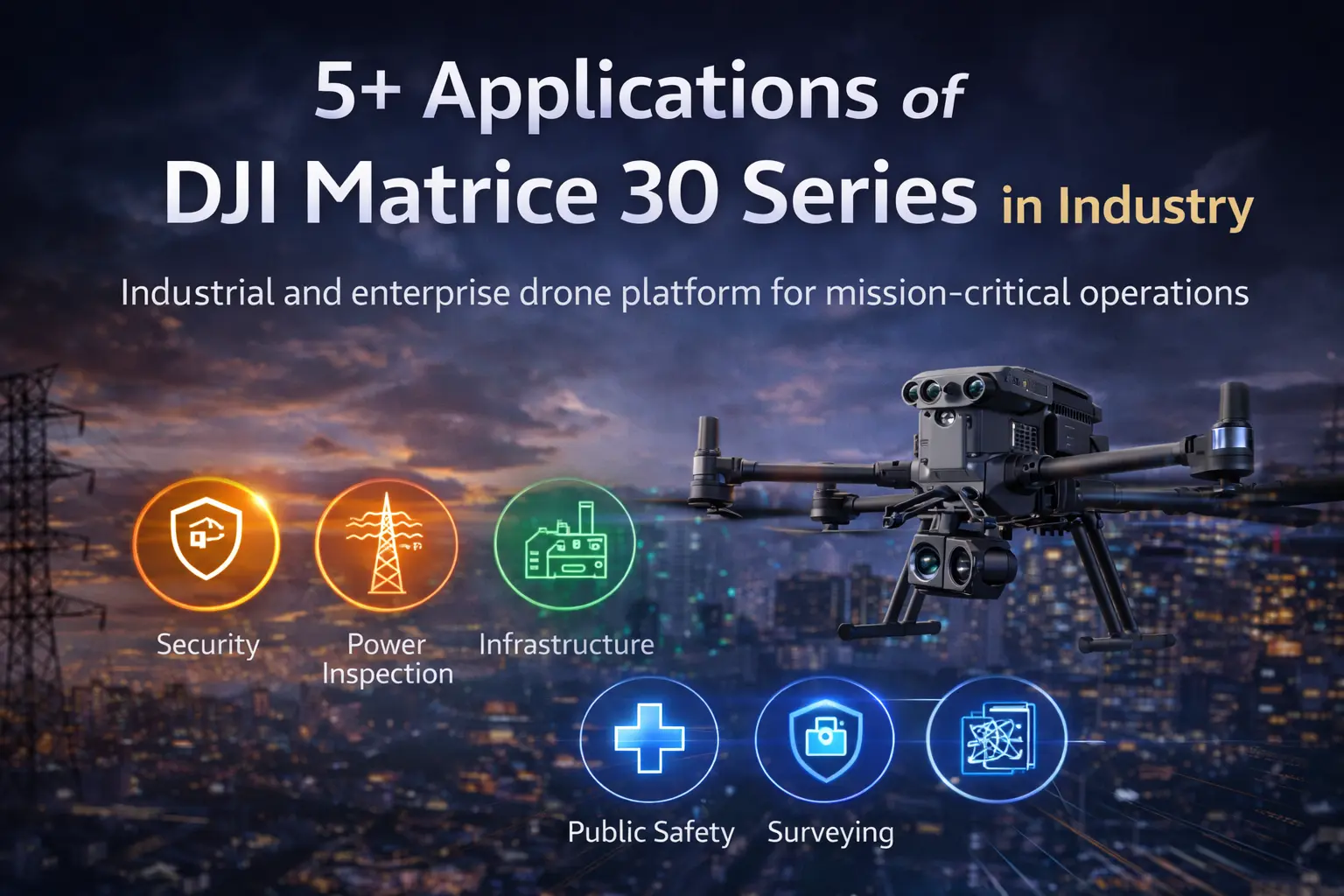
5+ APPLICATIONS OF DJI MATRICE 30 SERIES IN INDUSTRY
This article explores more than five key industrial applications of the DJI Matrice 30 Series, highlighting how its advanced sensors, all-weather design, and intelligent flight capabilities support security, inspection, public safety, and enterprise operations.

DISCOVER THE ULTIMATE DJI MATRICE 4 SERIES ADVANTAGES
The DJI Matrice 4 Series introduces a new generation of enterprise drones designed for optimized performance, intelligent sensing, and efficient workflows. This article explores the key advantages that make the Matrice 4 Series an ideal solution for modern inspection, security, and professional aerial operations.