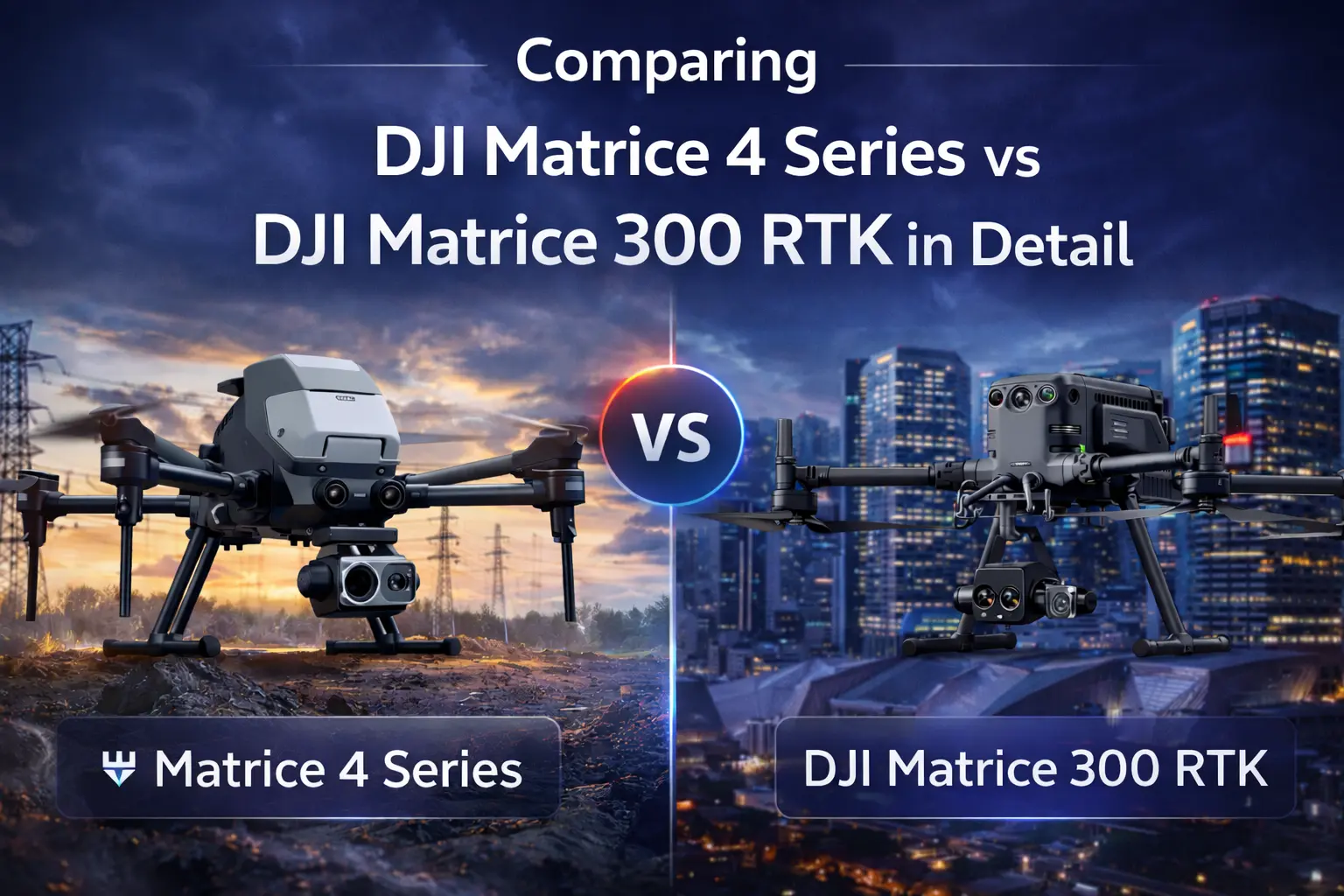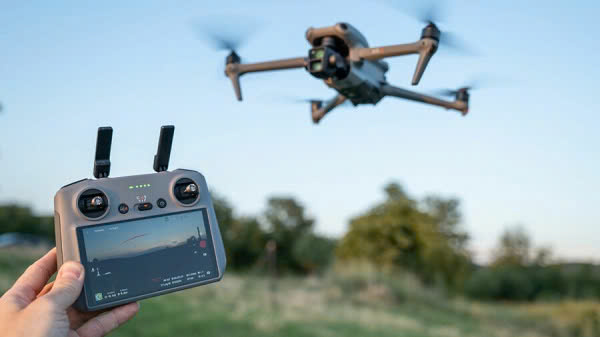
This article provides a detailed comparison between the DJI Matrice 4 Series and DJI Matrice 300 RTK, analyzing their design philosophy, sensor capabilities, flight performance, and real-world enterprise use cases to help professional operators choose the right drone platform.
Related products
In the enterprise drone market, DJI has long set the industry standard with its Matrice lineup. Two platforms that frequently appear in professional discussions are the DJI Matrice 4 Series and the DJI Matrice 300 RTK. While both are designed for industrial and mission-critical operations, they serve different generations, workflows, and operational priorities.
This article provides a detailed, practical comparison to help enterprises, government agencies, and professional operators choose the right platform for their needs.
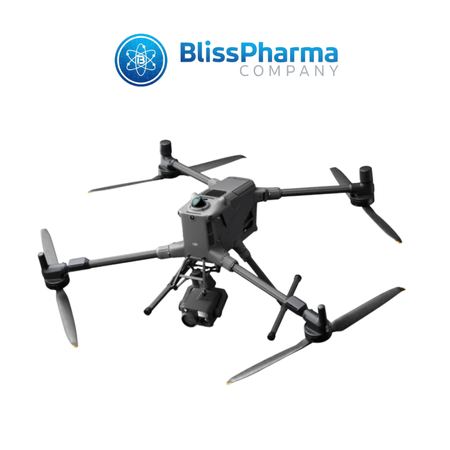
The DJI Matrice 300 RTK is a well-established enterprise drone platform known for its durability, payload flexibility, and long operational history in industries such as power inspection, public safety, and surveying.
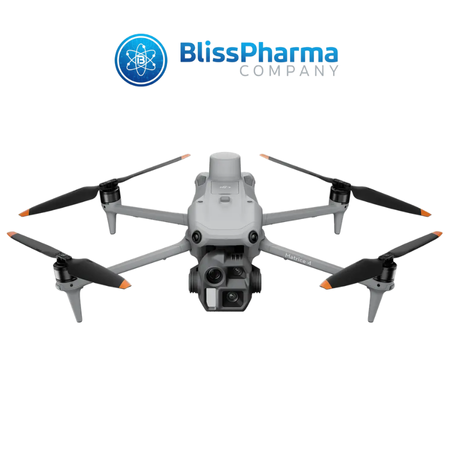
The DJI Matrice 4 Series, on the other hand, represents a newer generation of enterprise drones, focusing on improved intelligence, integrated sensing, and optimized workflows for modern inspection and security missions.
At a high level:
Matrice 300 RTK emphasizes modularity and heavy-duty versatility
Matrice 4 Series emphasizes smarter sensors, faster deployment, and next-generation automation
The Matrice 300 RTK was designed as a modular aerial platform. Its strength lies in its ability to carry different payloads—visual, thermal, zoom, LiDAR—depending on the mission.
Key design priorities include:
Long flight endurance
Multi-payload support
High environmental resistance
Operational redundancy
This makes the M300 RTK suitable for organizations running standardized, repeatable industrial missions over long periods.
The Matrice 4 Series reflects DJI’s shift toward integrated intelligence and automation. Rather than relying heavily on external payload combinations, the Matrice 4 Series focuses on:
Integrated multi-sensor payloads
Advanced onboard processing
AI-assisted detection and analysis
Faster setup and reduced operational complexity
This design approach targets teams that need rapid situational awareness and data interpretation, rather than raw payload flexibility.
One of the Matrice 300 RTK’s biggest strengths is its payload ecosystem. It supports a wide range of DJI Zenmuse payloads, including:
Zoom and wide visual cameras
Thermal imaging sensors
LiDAR and photogrammetry payloads
It can also carry multiple payloads simultaneously, enabling visual and thermal data collection in a single flight.
The Matrice 4 Series prioritizes integrated sensor packages, reducing the need for complex payload swapping. This approach improves:
Deployment speed
Mission consistency
AI-based target detection and classification
For missions such as security patrols, infrastructure monitoring, or emergency response, this integration allows operators to focus on decision-making instead of hardware configuration.
Both the Matrice 300 RTK and Matrice 4 Series support RTK positioning, enabling centimeter-level accuracy. This is critical for:
Precision inspection
Repeatable flight paths
Surveying and mapping workflows
While the M300 RTK relies on robust but traditional waypoint and mission planning tools, the Matrice 4 Series introduces more intelligent navigation features, including:
Smarter obstacle awareness
Enhanced route planning
Improved automation for inspection paths
This results in safer and more efficient operations, especially in complex environments.
The Matrice 300 RTK is known for its long flight time, making it ideal for large-scale inspections and extended missions. Its stability in challenging weather conditions has been proven across years of field use.
The Matrice 4 Series, while also offering strong endurance, focuses more on efficiency per mission—completing tasks faster with fewer manual interventions.
Both platforms are designed for professional reliability, but the M300 RTK benefits from a longer track record in:
Energy infrastructure
Public safety deployments
Large enterprise fleets
The Matrice 4 Series, as a newer platform, reflects DJI’s latest advancements in system integration and safety logic.
The Matrice 300 RTK is ideal if your operations require:
Heavy payload flexibility
Multi-sensor data collection in one flight
Established workflows with existing DJI payloads
Long-duration, repeatable industrial missions
The Matrice 4 Series is better suited for:
Rapid deployment scenarios
Security and surveillance missions
AI-assisted inspection and detection
Teams prioritizing automation and reduced pilot workload
From a fleet management perspective:
Matrice 300 RTK offers a mature ecosystem with predictable maintenance and long-term support familiarity
Matrice 4 Series offers future-oriented capabilities that may reduce operational costs through automation and efficiency
Organizations planning long-term modernization may find the Matrice 4 Series aligns better with evolving operational demands.
There is no universal winner between the DJI Matrice 4 Series and DJI Matrice 300 RTK. The right choice depends on mission type, operational maturity, and future strategy.
Choose DJI Matrice 300 RTK if you need a proven, modular, heavy-duty enterprise platform with maximum payload flexibility.
Choose DJI Matrice 4 Series if you prioritize next-generation intelligence, faster workflows, and integrated sensing for modern enterprise missions.
Both platforms represent DJI’s commitment to professional drone solutions—but they serve different stages of enterprise drone evolution.
RELATED NEWS

9+ FLYCAM CONTROL TECHNIQUES FOR IMPRESSIVE AERIAL PHOTOGRAPHY
This article explores more than nine essential flycam control techniques that help photographers capture impressive aerial images. From smooth camera movement to advanced flight control methods, these techniques are designed to improve composition, stability, and creative storytelling in aerial photography.
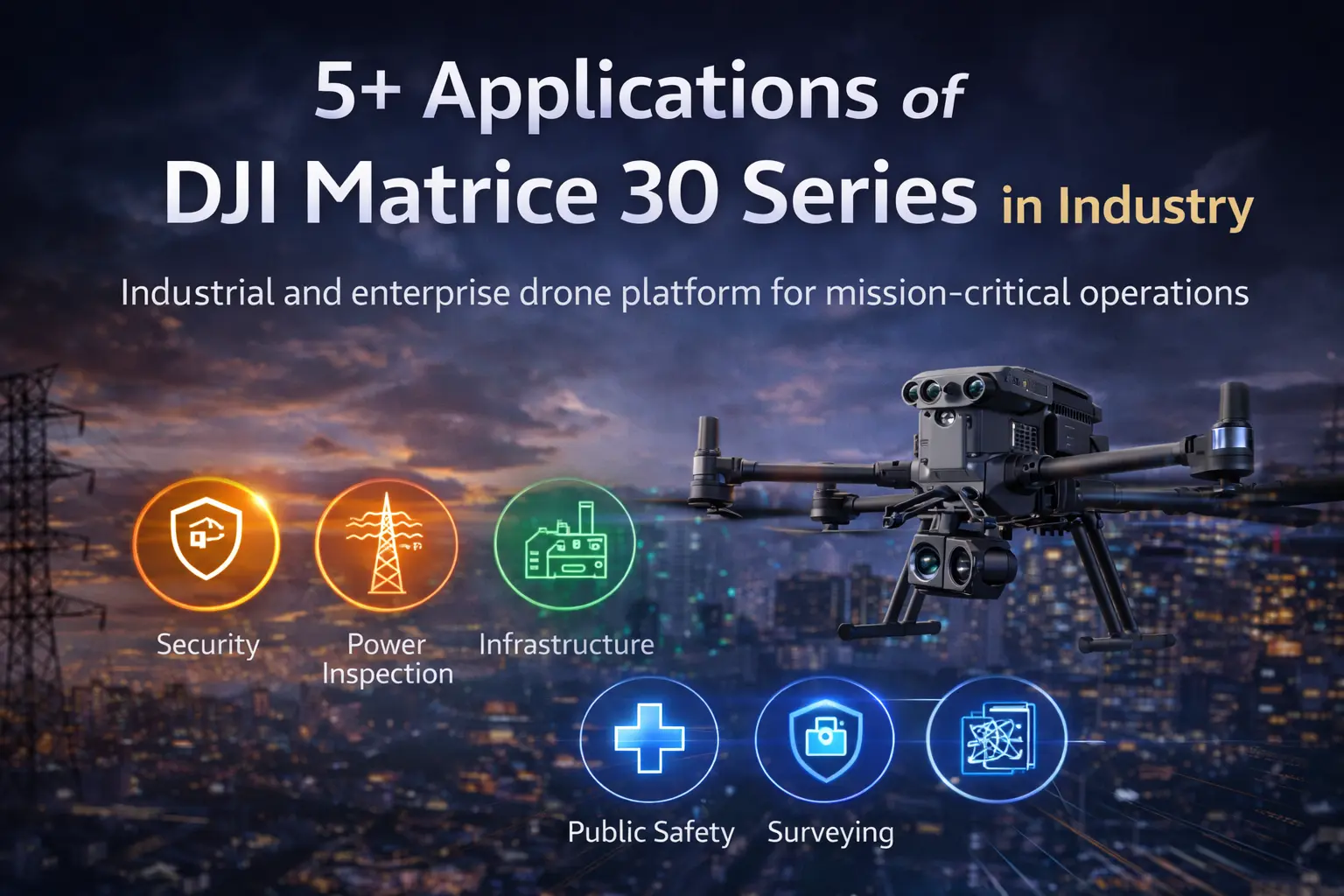
5+ APPLICATIONS OF DJI MATRICE 30 SERIES IN INDUSTRY
This article explores more than five key industrial applications of the DJI Matrice 30 Series, highlighting how its advanced sensors, all-weather design, and intelligent flight capabilities support security, inspection, public safety, and enterprise operations.
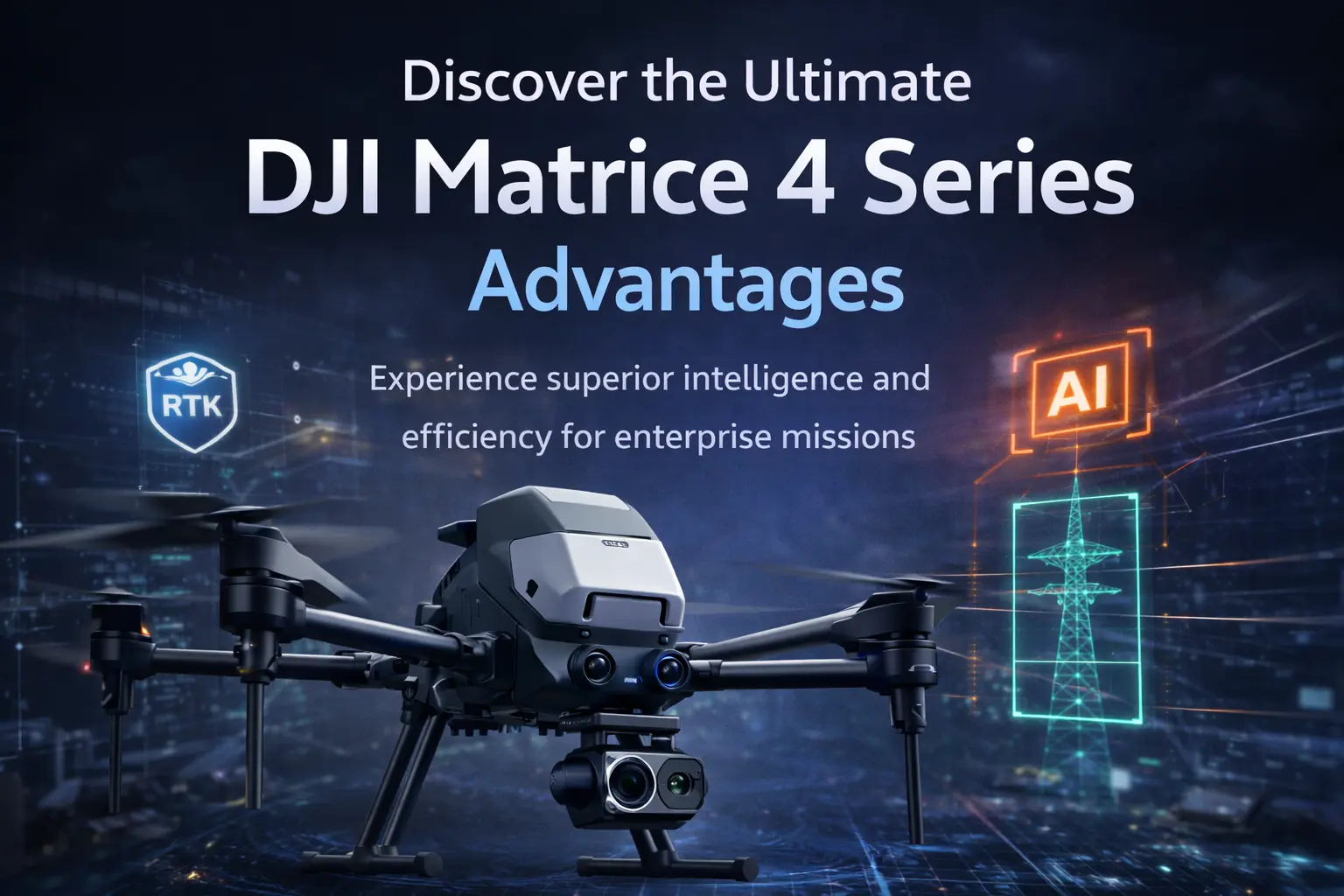
DISCOVER THE ULTIMATE DJI MATRICE 4 SERIES ADVANTAGES
The DJI Matrice 4 Series introduces a new generation of enterprise drones designed for optimized performance, intelligent sensing, and efficient workflows. This article explores the key advantages that make the Matrice 4 Series an ideal solution for modern inspection, security, and professional aerial operations.